
Rid-a-Bug Exterminating Blog
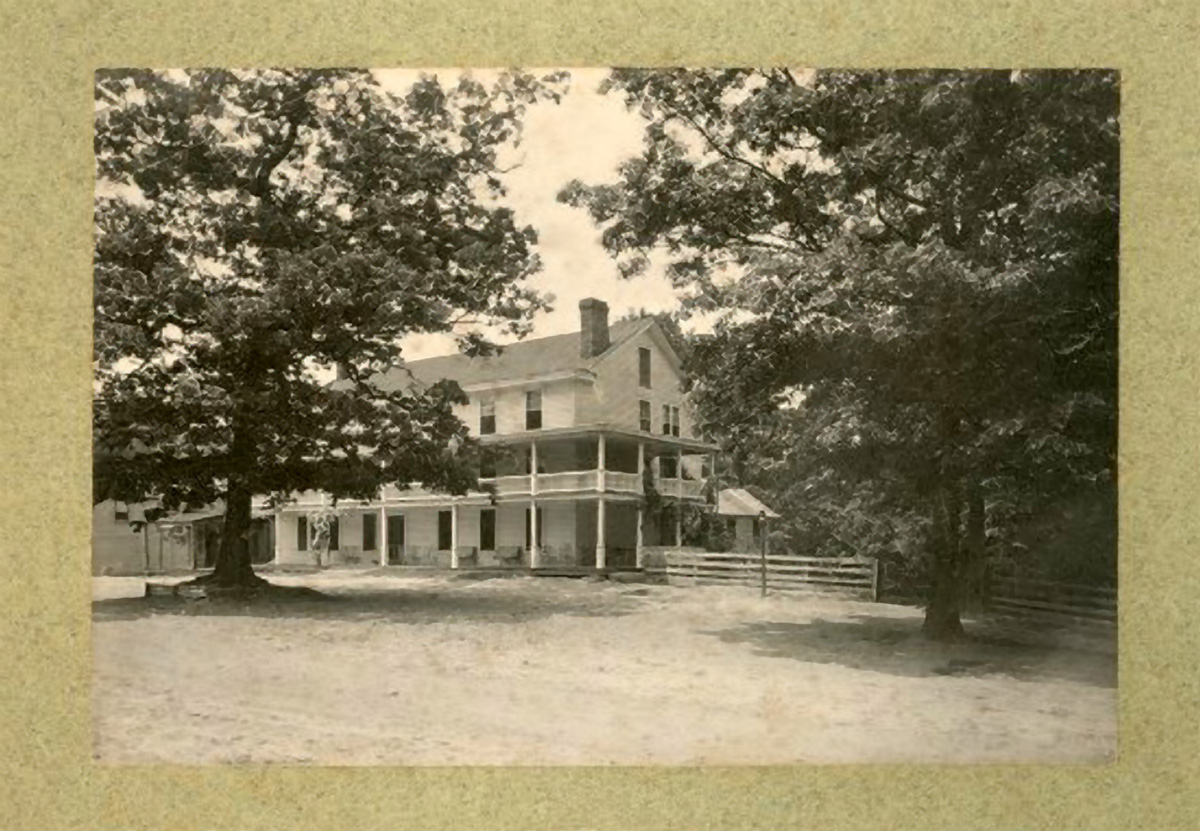
When the first hard freeze settles over the Blue Ridge, most homeowners breathe a sigh of relief and assume bug season has ended. Mosquitoes disappear from the porch, carpenter bees stop drilling into deck railings, and the yard goes quiet. It feels like the pests packed up and left for the year.
They did not. They moved in with you. Cold weather does not eliminate pest pressure in the North Carolina foothills and mountains or across the Virginia line, it simply relocates it. Every warm wall void, insulated attic, and dry crawl space in Wilkes County, Ashe County, and the communities around Galax and Hillsville becomes prime real estate the moment temperatures drop. Understanding which pests come looking for that shelter, and what they leave behind when they find it, is the difference between a quiet winter and a spring full of repairs.

Bringing home a fresh Fraser fir is one of the best parts of the holiday season across North Carolina, South Carolina, and Virginia. That tree spent close to a decade growing on a mountainside, in a field backing right up against the woods and surrounded by a tremendous amount of insect life. Every so often, a few of those insects make the trip into your living room.
The reassuring news is that this happens rarely, and the insects involved are harmless to people, pets, and structures. Knowing what to look for before the tree comes through the door is the difference between a five-minute curiosity and a frustrating December cleanup.

The holidays in the North Carolina foothills have a rhythm all their own. Fraser firs come down from the high country, wood stoves and fireplaces get their first real workout of the season, and houses from Wilkesboro to Winston-Salem fill up with family, food, and boxes of decorations that have been sitting in the attic since last January. It is a season built around welcoming people in.
Unfortunately, pests take the invitation personally. Every one of those holiday traditions creates an opening: a tree carried inside with something already living in it, a stack of firewood by the back door, a pantry stocked deeper than it has been all year, and a house kept warm while the temperature outside drops into the twenties. Understanding where those openings are is the difference between a peaceful December and an unwelcome surprise in the middle of dinner.
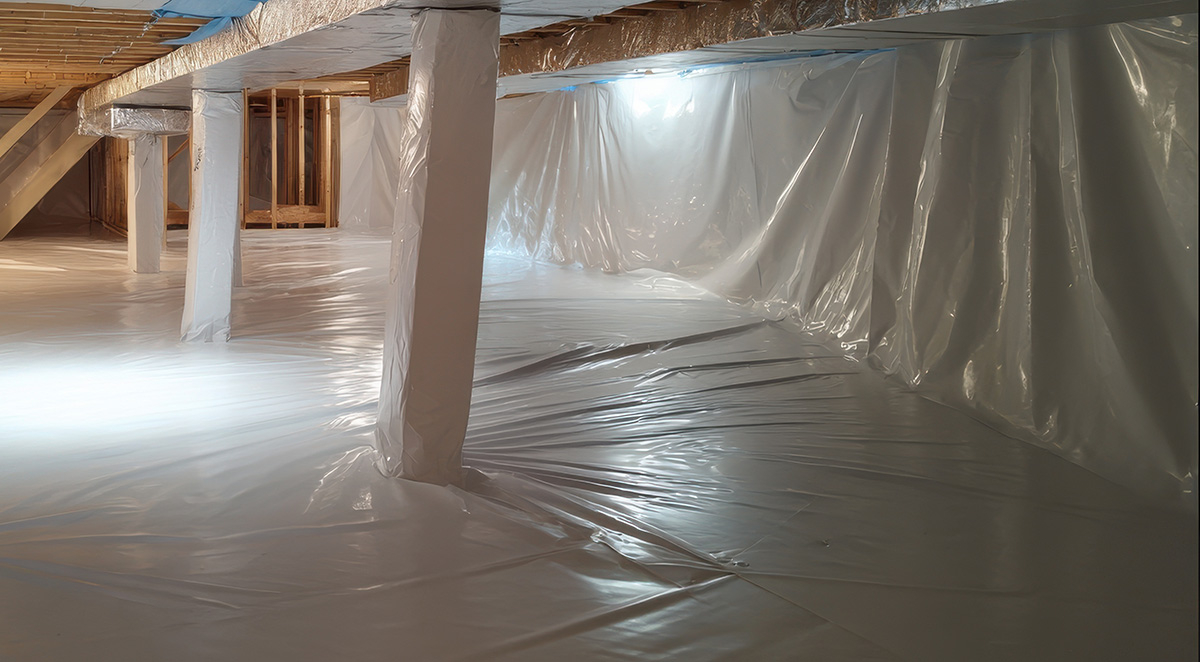
Green building has moved from a niche interest to a standard expectation across North Carolina, South Carolina, and Virginia. Property owners and homeowners alike want buildings that use less energy, protect indoor air quality, and reduce the chemical load on the people inside them. What surprises many of them is that pest control sits squarely inside that conversation. The way a building handles ants, roaches, rodents, and termites affects its environmental performance, and under LEED certification, it can affect whether a building earns points at all.