
Rid-a-Bug Exterminating Blog

Most homeowners treat the garage as a buffer zone, somewhere between outside and inside where a few bugs are part of the deal. Mice see it differently. To a mouse, your garage is a sheltered space with insulation overhead, cardboard everywhere, a water source, and quite often a bag of dog food or bird seed sitting open in the corner.
That gap in perception is why garages generate so many of our calls. The good news is that garage pest problems respond well to prevention. Most of what draws mice, insects, and wildlife inside comes down to a handful of fixable conditions.

Your attic is the one part of your home you almost never think about, which is exactly why pests love it. It is dark, quiet, insulated against temperature swings, and full of soft nesting material. Add a few overhanging tree limbs and a small gap in the soffit, and you have created ideal habitat for mice, squirrels, bats, and a long list of insects that would rather overwinter above your ceiling than outdoors.
The good news is that attic pest problems are among the most preventable issues homeowners face. Rodents and insects need three things to move in: a way inside, a reason to stay, and time to go unnoticed. Take away any one of those and the problem largely solves itself. Here is how to do it.
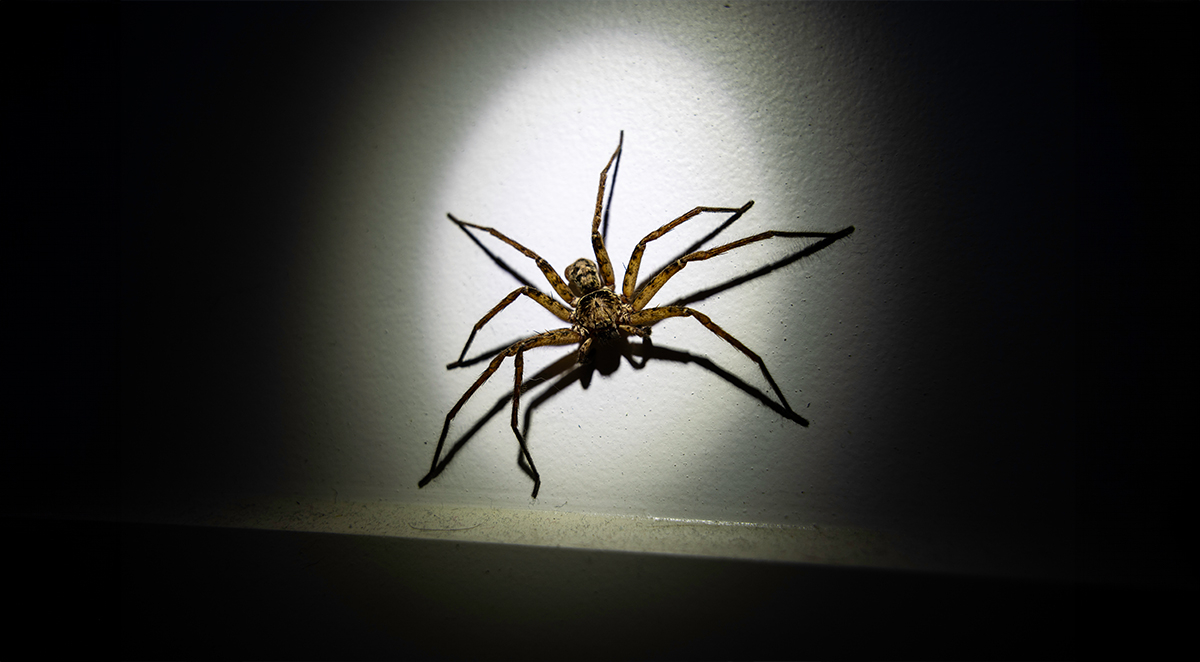
Every October, front porches across the Carolinas and Virginia fill up with plastic spiders, rubber rats, and cotton cobwebs stretched between the railings. It is all in good fun. The trouble is that while you are hanging decorations, the real versions of those creatures are quietly looking for a way inside your house.
Cooler nights, shorter days, and shrinking food supplies push pests and wildlife toward the warmest, driest shelter they can find. Often that shelter is your attic, crawl space, garage, or the gap under your front door. At Rid-A-Bug Exterminating, we have watched this seasonal shift play out every fall since 1972, and we know exactly which uninvited guests tend to show up when the temperature drops.
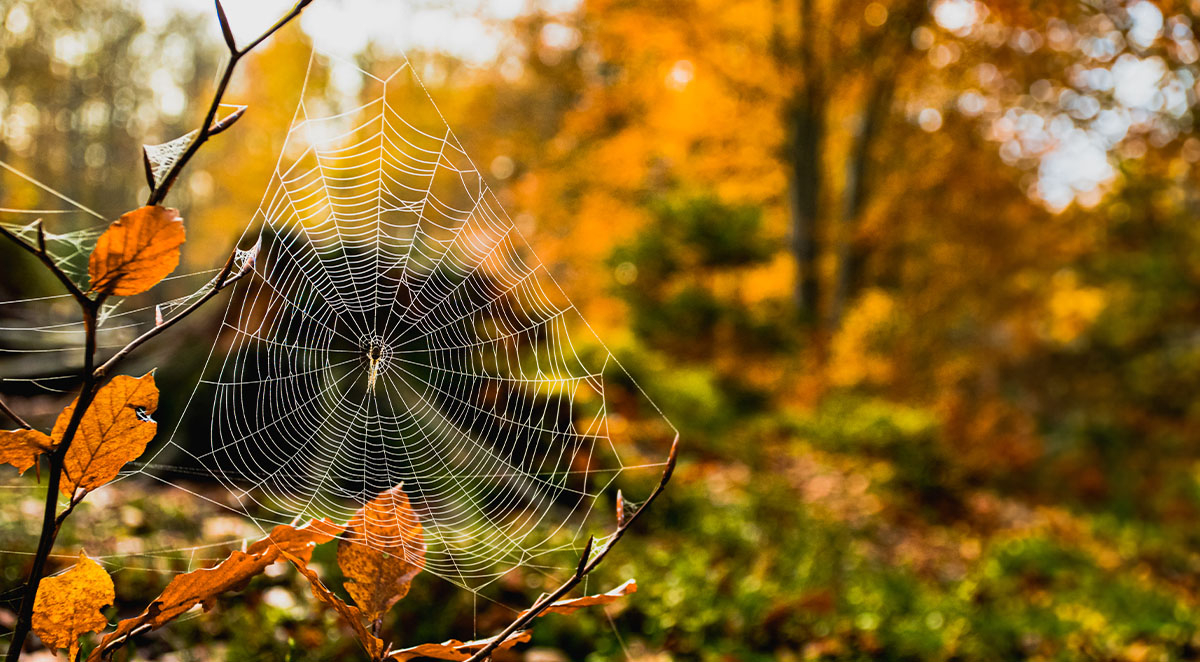
Every year around late September, we receive an uptick of calls from homeowners suddenly concerned about spiders. They find a wolf spider crossing the living room floor, a web the size of a dinner plate strung between porch posts, and something long-legged tucked in the basement stairwell, and it feels like an invasion arrived overnight.
In reality, fall does not produce a new crop of spiders. What changes is spider size, spider behavior, and your own habits, in ways that put the two of you in the same place at the same time. Understanding that shift makes the season less unsettling, and it points to the handful of steps that actually reduce sightings.