
Rid-a-Bug Exterminating Blog

As temperatures rise across North Carolina, South Carolina, and Virginia, our homes and yards face an annual invasion. Spring brings renewal and growth, but also marks the awakening of numerous pest species. After winter dormancy or reduced activity, insects and other unwanted visitors emerge in search of food, water, and shelter – often finding all three in and around our homes.
At Rid-A-Bug, we've been helping homeowners throughout the Carolinas and Virginia manage spring pest problems since 1972. Our pest management professionals have compiled this comprehensive guide to help you identify, prevent, and control the most common spring pests in our region.

Termites are often called "silent destroyers" for good reason. These small insects can cause extensive damage to homes throughout North Carolina, South Carolina, and Virginia, often working undetected for years before the evidence becomes visible. Homeowners across our region collectively spend millions of dollars annually on termite treatment and repairs from termite damage.

As temperatures rise and outdoor activities increase, many homeowners in North Carolina, Virginia, and South Carolina find themselves wondering about the slithering neighbors that might be sharing their property. Understanding snake habitats is the first step in effective snake prevention and control. While snakes often trigger fear, they play important roles in our ecosystem – but that doesn't mean we want them taking up residence in our yards, gardens, or homes.
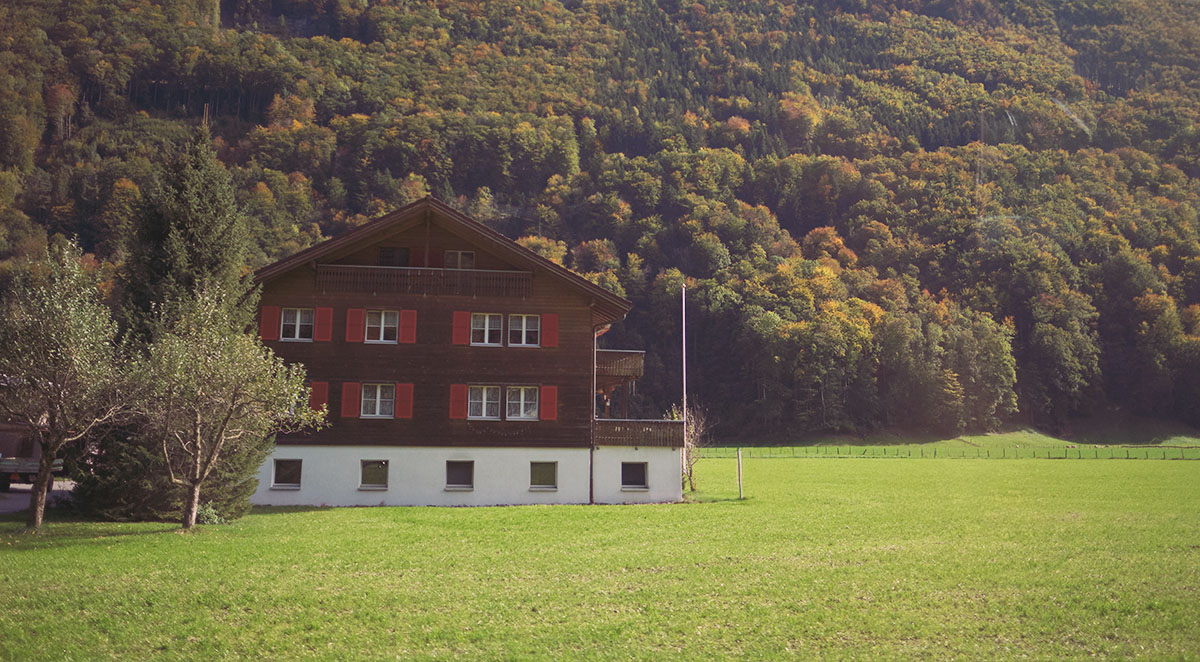
Living in the beautiful Appalachian Mountains offers stunning views, peaceful surroundings, and a connection to nature that's hard to find elsewhere. However, mountain homeownership comes with unique challenges, including pest control concerns that differ significantly from those in flatter regions. Termites, in particular, pose special threats to mountain properties in areas like Boone, Blowing Rock, and other mountainous regions throughout North Carolina, Virginia, and South Carolina.
The combination of moisture patterns, temperature variations, construction methods, and the prevalence of wood in mountain homes creates a perfect storm of conditions that termites find attractive. Understanding these unique challenges is the first step toward protecting your mountain investment from these destructive pests.